10 min read
Updated
- Key Takeaways
- Understanding Fungal Disease Progression
- Factors That Influence Whether a Tree Can Recover
- Fungal Diseases That Are Often Manageable
- Fungal Diseases That Are Difficult to Reverse
- Treatment Options That May Help
- What Homeowners Can Do to Support Treatment
- When Removal Becomes the Safer Choice
- How Crawford Tree & Landscape Approaches Fungal Disease Cases
- Frequently Asked Questions About Saving a Tree with a Common Fungal Disease in Milwaukee, WI
- Summary Checklist: Fungal Disease Recovery Outlook
- Final Advice
Key Takeaways
- Whether a tree can be saved after a fungal infection depends on the specific disease, the tree species, and how early the problem is caught.
- Some fungal diseases, such as anthracnose, are often manageable with pruning, cleanup, and ongoing Plant Health Care support.
- Others, including oak wilt and Dutch elm disease, are far more difficult to reverse once they’ve become established in a tree.
- A tree’s overall health and stress level before infection has a real impact on its ability to recover.
- Professional diagnosis helps determine whether treatment, ongoing monitoring, or removal is the most appropriate next step.
- Prevention and early detection remain more reliable than trying to reverse an advanced infection.
Understanding Fungal Disease Progression
Fungal diseases generally progress in stages, beginning with initial infection, moving through active spread within plant tissue, and eventually producing the visible symptoms most homeowners notice, like spotted leaves, cankers, or dieback. By the time symptoms are obvious, the fungus may have already been active for some time. This is part of why early detection matters so much: a disease caught in its earlier stages generally offers more options than one that has already caused significant damage to the tree’s vascular system or structural tissue.
It helps to think of fungal disease progression less like a single event and more like a slow-moving process that can span weeks, months, or even multiple growing seasons depending on the pathogen involved. A localized leaf infection that shows up in June, for example, may remain relatively contained through the rest of the season, while a vascular disease introduced through a wound in spring might not produce obvious wilting until midsummer, by which point the fungus has already spread through a significant portion of the tree’s internal tissue. Understanding roughly where a tree sits in that progression is often the single biggest factor in deciding what kind of response makes sense.
Factors That Influence Whether a Tree Can Recover
Several factors affect a tree’s chances of recovering from a fungal infection.
1. The Type of Fungus
The specific fungus involved is one of the biggest factors in determining the likely outcome. Some diseases, such as anthracnose and apple scab, may be manageable with proper care, while more aggressive diseases such as oak wilt can cause rapid and severe decline.
2. Tree Species and Susceptibility
A tree’s species also affects how it responds to infection. Certain trees have stronger natural defenses against particular fungi, while others are more susceptible to specific pathogens. Identifying the tree correctly can therefore help determine the appropriate management approach.
3. Stage of the Infection
The extent of the infection when it is discovered can significantly influence the available options. Problems identified early may be easier to manage before they cause extensive canopy loss, structural damage, or decline. Once a disease has progressed significantly, recovery may become more difficult.
4. Overall Tree Health
A healthy, well-established tree generally has more resources to respond to disease than one already under stress. Drought, root damage, compacted soil, poor drainage, insect activity, or previous injury can weaken a tree and make recovery more challenging. Addressing these underlying stressors can be an important part of supporting the tree’s ability to cope with infection.
Fungal Diseases That Are Often Manageable
Diseases like anthracnose, apple scab, and many canker diseases are frequently manageable, particularly in mature, otherwise healthy trees. Management typically involves pruning out infected or dead material, cleaning up and disposing of fallen leaves or debris that harbor fungal spores, and supporting the tree’s overall health through soil and root zone care. These diseases rarely disappear completely, but their impact can often be reduced to a level the tree tolerates without significant long-term decline.
Fungal Diseases That Are Difficult to Reverse
- Vascular diseases such as Oak Wilt and Dutch Elm Disease are considerably more difficult to manage once established, since they interfere directly with a tree’s ability to move water and nutrients.
- Root rot fungi, including Armillaria, can also be challenging to address because much of the damage occurs below ground, out of view, before above-ground symptoms appear.
- In these cases, treatment options may focus on slowing progression or protecting nearby trees rather than fully reversing the infection in the tree that’s already affected.
Treatment Options That May Help
Depending on the diagnosis, a Plant Health Care approach may include targeted pruning to remove infected material, treatments aimed at supporting the tree’s natural defenses, and attention to root zone and soil conditions. Deep root fertilization is one supporting tool that can help deliver nutrients closer to a tree’s active root system, particularly for trees recovering from stress, though it works best as part of a broader plan rather than a stand-alone fix. The right combination of treatments depends on the specific disease and the tree’s overall situation.
What Homeowners Can Do to Support Treatment
While professional treatment addresses the disease itself, homeowners can support a tree’s recovery in the meantime. Avoiding unnecessary wounds to the trunk or root zone, such as those caused by lawn equipment or nearby digging, reduces additional entry points for fungal spores. Keeping fallen, infected leaves and debris cleaned up rather than left to sit near the base of the tree can limit reinfection the following season. Reducing other sources of stress where possible, such as correcting drainage issues or avoiding soil compaction near the root zone, also gives a tree a better foundation from which to respond to treatment.
When Removal Becomes the Safer Choice
Not every infected tree can or should be saved. When a fungal disease has caused significant structural decay, when a tree poses a safety risk near a home or walkway, or when the disease threatens to spread readily to nearby healthy trees, removal may be the more responsible choice. This decision is rarely simple, and it’s one best made with input from a professional who can evaluate the tree’s condition, its location, and the realistic likelihood of recovery.
It’s worth acknowledging that this can be a difficult decision for homeowners, particularly for a mature tree that has been part of the property for decades. An experienced tree service firm in Milwaukee, Wisconsin can perform thorough evaluation, one that weighs the tree’s structural stability, its proximity to structures or high-traffic areas, and the specific disease’s typical progression to take out the guesswork. In many cases, an arborist can also outline a monitoring plan so a borderline tree can be reassessed over time rather than requiring an immediate decision.
How Crawford Tree & Landscape Approaches Fungal Disease Cases
Crawford Tree & Landscape has provided tree care across Southeast Wisconsin for over half a century. Our ISA-Certified Arborists assess the tree species, symptoms, disease progression, structural condition, and site factors before recommending a course of action. For diseases that can be managed, we may recommend targeted pruning, sanitation, Plant Health Care treatments, soil improvements, or ongoing monitoring. Our arborist can also decide to remove the affected branches to improve growing conditions and reduce additional stress to give the tree a better opportunity to maintain healthy growth.
When the disease is more aggressive, such as oak wilt or Dutch elm disease, Crawford Tree & Landscape can shift toward limiting further spread and protecting surrounding trees. If an infected tree has become structurally unsafe or has little realistic chance of recovery, we can also recommend tree removal when it is the safest option. The objective is not to apply the same treatment to every infected tree.
Crawford Tree & Landscape develops a management plan around the specific disease and the tree’s condition, helping homeowners understand whether their tree can be treated, stabilised, monitored, or needs to be removed. Our team’s accreditation with the Tree Care Industry Association (TCIA) reflects our commitment to practices grounded in recognized industry standards.
We serve homeowners throughout Milwaukee, Ozaukee, and parts of Waukesha and Washington County, including Brookfield, Germantown, Menomonee Falls, Mequon, Pewaukee, Waukesha, and Wauwatosa.
Frequently Asked Questions About Saving a Tree with a Common Fungal Disease in Milwaukee, WI
How do I know if my tree’s fungal disease can be treated?
The best way to know is a professional evaluation. An arborist can identify the specific disease, assess how far it has progressed, and evaluate the tree’s overall health to determine whether treatment is likely to help.
Can a tree fully recover from a fungal infection?
Some trees recover well, particularly from less aggressive diseases caught early. Others may stabilize without fully clearing the infection, and some diseases cause damage that isn’t reversible. Outcomes vary by disease and by tree.
Does removing infected branches stop the spread of disease?
Pruning out infected material can help slow the spread within a tree and reduce the amount of fungal material present, but it isn’t always enough on its own, especially for vascular diseases that have already reached the trunk or root system.
Can healthy trees near an infected tree also become infected?
It’s possible, depending on the disease. Some fungi spread through airborne spores or insects, while others move through connected root systems between nearby trees of the same species. This is an important consideration when deciding how to manage an infected tree.
Is it worth treating an older or declining tree for fungal disease?
This depends on the tree’s overall condition, its value to the property, and the specific disease involved. A professional assessment can help weigh the likely benefit of treatment against the tree’s existing health and structural condition.
What happens if a fungal disease is left untreated?
Outcomes vary widely by disease. Some cause only cosmetic or minor impact over time, while others can lead to significant decline, structural weakness, or tree death if left unaddressed.
Can soil health affect how well a tree fights off disease?
Yes. Trees growing in compacted, poorly drained, or nutrient-deficient soil generally have fewer resources to resist and recover from disease compared to trees in healthy, well-managed root zones.
Should I remove a tree once fungal disease reaches the trunk?
Not necessarily, but trunk involvement is often a more serious sign that warrants a closer structural evaluation. A professional can assess whether the tree remains stable and worth continued treatment or whether removal is the safer option.
Summary Checklist: Fungal Disease Recovery Outlook
| Fungal Disease Type | Recovery Outlook & Risk | Recommended Action |
| Manageable Leaf Diseases (e.g., Anthracnose, Apple Scab) | High recovery potential; mostly aesthetic or seasonal impact | Prune infected branches, clean up fallen leaf debris, and improve root-zone care |
| Canker Diseases | Moderate potential; causes localized bark damage and dieback | Prune out diseased limbs and reduce environmental stress on the tree |
| Vascular Diseases (e.g., Oak Wilt, Dutch Elm Disease) | Low potential; severe threat to internal water and nutrient flow | Seek immediate professional intervention to slow progression or protect neighboring trees |
| Root Rot Pathogens (e.g., Armillaria) | Low potential; hidden underground damage leads to structural failure | Assess overall tree stability; removal is often required to ensure property safety |
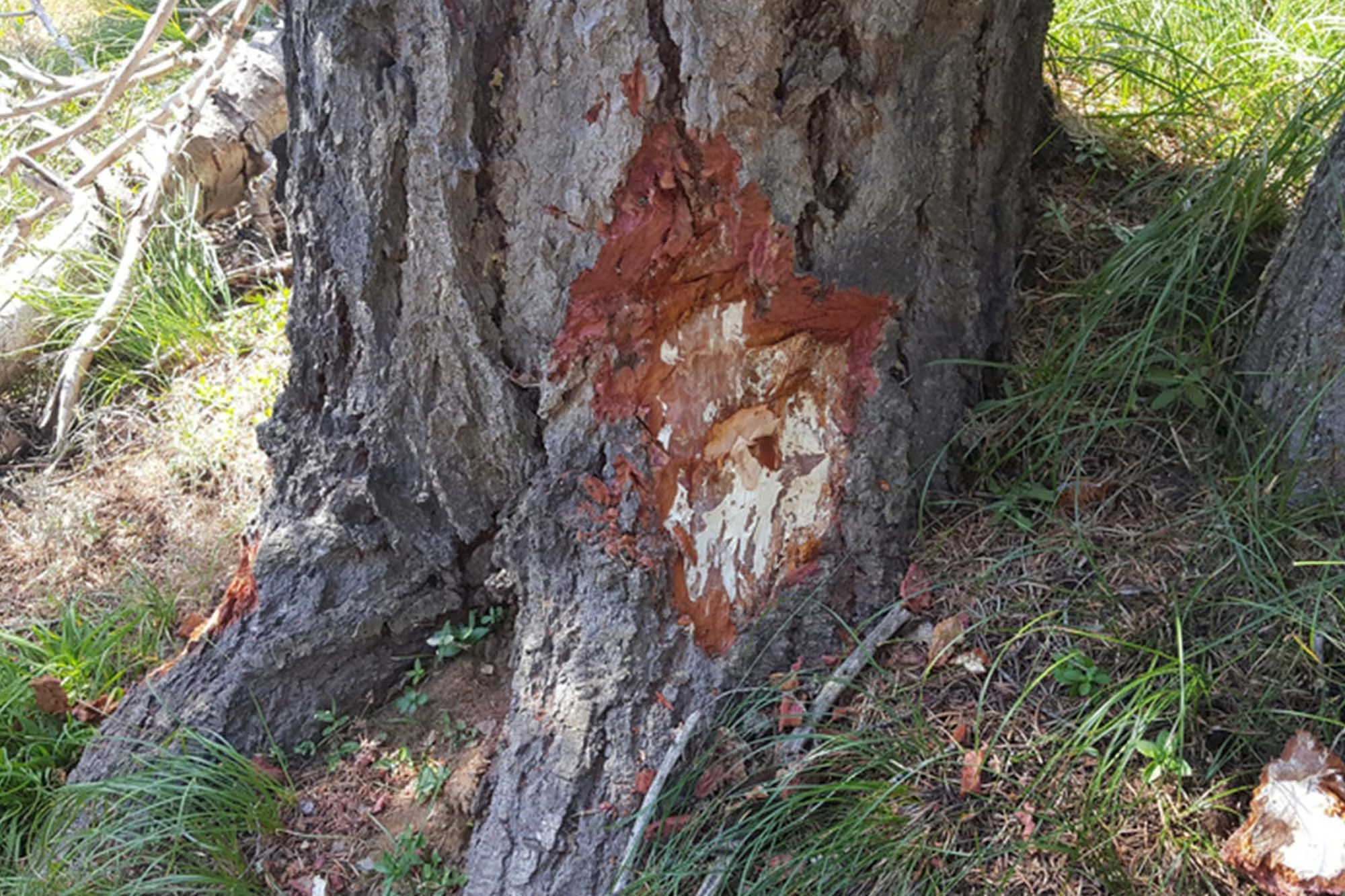
| Advanced Decay & Trunk Wounds | Critical risk; compromised structural integrity | Schedule a tree-risk assessment to determine if safe preservation or removal is needed |
Final Advice
If you notice unusual leaf spots, dieback, cankers, wilting, or other signs of fungal disease, don’t wait for the tree to decline further. Avoid treating the problem based only on appearance, since several diseases can produce similar symptoms. Protect the tree’s root zone from unnecessary damage and maintain healthy growing conditions while you determine the cause. Early evaluation can also help preserve more treatment and management options.
Contact Crawford Tree & Landscape Today!
Your trees and landscape deserve expert care. Whether you need tree trimming, pruning, removal, or emergency services, or have a landscape maintenance or renovation need, Crawford Tree & Landscape is here to educate and help. Our arborists and horticulturists provide professional, safe, and reliable tree and landscape care for homeowners and businesses in Milwaukee, WI, and the surrounding areas.
Don't wait until tree or landscape problems escalate. Call (414) 710-0093 today to schedule an appointment or get a free estimate while there is time to act. Let us handle your tree care and landscape needs with professionalism and expertise!
Crawford Tree & Landscape Editorial Team
This article was reviewed by arborists and horticulturists at Crawford Tree & Landscape, a TCIA-accredited, locally owned company based in Milwaukee, WI. Our staff includes WLCA and WAA members, ISA-Certified Arborists, Federally recognized Journey Workers, NALP-Certified Landscapers, Tree Risk Assessment Qualified arborists, and professionals with associate’s and bachelor’s degrees. We generally serve Milwaukee, Ozaukee, Waukesha, and Washington Counties.



 GreenSky® and GreenSky Patient Solutions® are loan program names for certain consumer credit plans extended by participating lenders to borrowers for the purchase of goods and/or services from participating merchants/providers. Participating lenders are federally insured, federal and state chartered financial institutions providing credit without regart to age, race, color, religion, national origin, gener or familial status. GreenSky® and GreenSky Patient Solutions® are registered trademarks of GreenSky, LLC. GreenSky Serviceing, LLC services the loans on behalf of participating lenders. NMLS 1416362. GreenSky, LLC and GreenSky Servicing, LLC are subsidiaries of Goldman Sachs Bank USA. Loans originated by Goldman Sachs are issued by Goldman Sachs Bank USA, Salt Lake City Branch.