January 30, 2026
You walk past the same red oak on Grandview Boulevard every morning, but last week you noticed something different. The leaves that turned brilliant crimson last fall now show brown edges in summer. The maple near your driveway that explodes with yellow color each October dropped its leaves three weeks early this year. These changes tell you something about your trees beyond their beauty; they reveal their health, and in Waukesha’s clay soil and unpredictable weather, even the most stunning specimens need attention to stay that way.
Waukesha homeowners value mature trees for shade, property value, and seasonal beauty. But maintaining trees that look magnificent year-round requires understanding which varieties thrive here, what each season demands, and when visual changes signal problems rather than natural cycles. This guide walks through the most beautiful trees in Waukesha across all four seasons, explains what makes them thrive or struggle, and shows you how to keep them healthy enough to deliver that beauty year after year.
Spring: Trees That Announce the Season
Spring in Waukesha starts cautiously. Temperatures swing, late frosts surprise, and trees that bloom too early risk damage. The most reliable spring beauties here bloom after the last frost risk passes in early May, and they handle clay soil without constant stress.
Flowering Crabapple
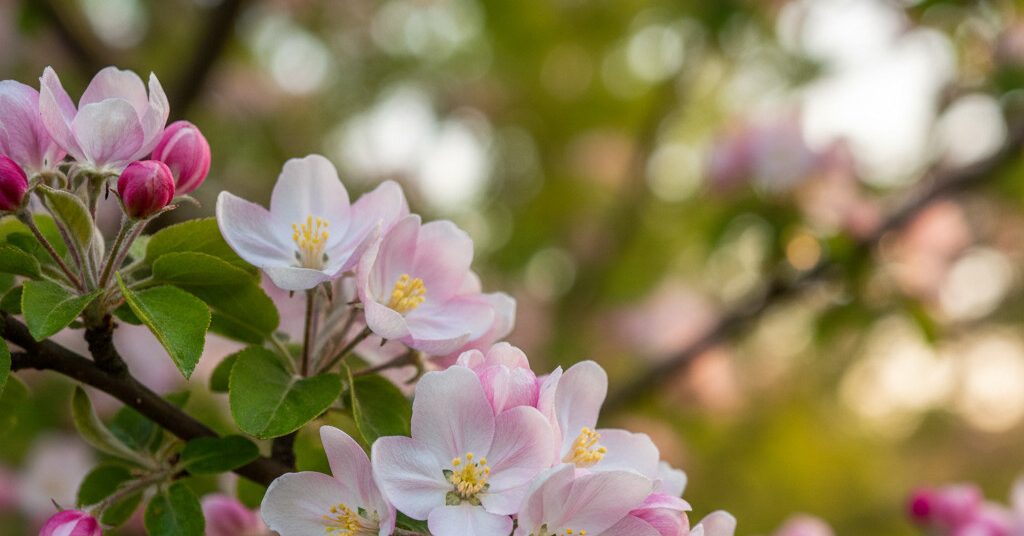
These trees dominate Waukesha neighborhoods for good reason. They bloom later than many ornamentals, usually mid to late May, which protects their flowers from frost. Their pink or white blossoms last two weeks, and varieties like ‘Spring Snow’ or ‘Prairifire’ resist the apple scab that plagues older crabapples in humid Wisconsin springs.
Crabapples perform well in Waukesha because they tolerate clay soil better than many flowering trees. However, their shallow root systems lift sidewalks along streets like St. Paul Avenue when planted too close. Plant them at least eight feet from hardscaping.
Red Bud
Redbud trees produce clusters of small pink flowers directly on their branches before leaves emerge. In Waukesha, they bloom in late April to early May. Their heart-shaped leaves turn yellow in fall, giving them two seasons of visual interest.
Redbuds struggle in poorly drained clay. They need amended planting holes and prefer locations with afternoon shade, especially near Fox River areas, where humidity increases fungal stress. Established redbuds near Frame Park show the value of proper siting; they’ve bloomed reliably for decades.
Serviceberry
Serviceberry blooms white in early May, produces edible berries in June, turns orange-red in fall, and shows attractive bark in winter. This native tree adapts to Waukesha’s conditions better than most imports.
The challenge with serviceberry comes from its susceptibility to rust diseases during wet springs. Trees in open areas with good air circulation, like those along Sentry Drive, perform better than those planted in enclosed courtyards.
Summer: Shade and Structure Through Heat
Summer reveals which trees handle Waukesha’s heat, humidity, and clay soil. Beautiful summer trees provide dense shade, maintain deep green foliage, and resist stress even during drought periods that hit the area every few years.
Sugar Maple
Sugar maples define summer in Waukesha. Their broad canopy creates cooling shade, and their symmetrical shape looks intentional without pruning. Mature specimens along Grandview Boulevard and throughout the Carroll University campus demonstrate their summer appeal.
Sugar maples need attention to thrive here. Clay soil compacts around their roots, limiting oxygen. Trees in turf areas suffer from lawn watering patterns that keep surface roots too wet while deeper soil stays dry. Homeowners notice yellowing leaves (chlorosis) in mid-summer when iron becomes unavailable in compacted, alkaline clay.
Professional plant health care addresses this through soil amendments and aeration, not just fertilizer. Trees that look vibrant in July typically receive dormant season care that improves soil structure before summer stress begins.
Red Oak
Red oaks grow faster than many shade trees, reaching impressive size within 20 years. Their lobed leaves stay deep green through August heat, and their strong branch structure handles summer storms better than brittle species like silver maple.
Waukesha’s red oaks face Oak Wilt, a fungal disease that kills trees within weeks once symptoms appear. The disease spreads through root grafts between nearby oaks and through beetles attracted to pruning wounds made during the growing season. Never trim oaks from April through July; dormant season pruning protects them from infection.
Red oaks along Les Paul Parkway show what healthy specimens deliver: consistent growth, dense shade, and resilience during storms. Those same trees require monitoring for Oak Wilt symptoms (leaf browning from the tip inward, leaf drop in mid-summer) because early detection allows intervention before the disease spreads.
Linden (Basswood)
Lindens produce fragrant yellow flowers in late June that attract bees. Their heart-shaped leaves create dense shade, and their tolerance for urban conditions makes them popular along Waukesha’s commercial corridors.
These trees handle clay soil well, but Japanese beetles target them heavily. Beetle damage in July leaves foliage looking lacy and stressed. Trees already weakened by drought or compacted soil suffer more. Healthy lindens tolerate beetle feeding better than stressed ones, which reinforces the importance of plant health care that strengthens trees before pest pressure arrives.
Fall: The Color Show Waukesha Waits For
Fall color depends on tree species, weather patterns, and tree health. Waukesha’s clay soil and variable fall temperatures create conditions where some years deliver spectacular color while others disappoint.
Sugar Maple
The same maples that provide summer shade explode into orange, red, and yellow in October. Peak color usually arrives during the second and third weeks of October, though early cold snaps or drought alter timing.
Maples showing weak color or early leaf drop signal stress. Drought stress from summer, root damage from construction, or fungal issues reduce fall color intensity. Trees that colored brilliantly last fall but look dull this year need assessment before the next growing season.
Red Oak
Red oaks turn deep red to russet brown in late October and hold their leaves well into November. This extended color period makes them valuable for homeowners who want fall interest that lasts.
Oak Wilt kills trees before fall color develops. If a red oak drops leaves in August or shows browning before October, call for assessment immediately. Oak Wilt spreads rapidly, and infected trees endanger nearby oaks through shared root systems.
Ash (Where Healthy)
Ash trees turn yellow to purple in fall, and older specimens create dramatic color. However, Emerald Ash Borer has killed thousands of ash trees across Waukesha. Surviving ash trees either received preventive treatment or haven’t been infested yet.
If you have a healthy ash tree, fall color indicates overall tree vigor. Bright, uniform color suggests the tree remains healthy enough to justify continued treatment. Sparse color, early leaf drop, or crown dieback means the tree likely suffered borer damage and won’t recover.
Ginkgo
Ginkgo trees turn uniform yellow practically overnight in late October or early November. Their fan-shaped leaves drop within days, creating a golden carpet.
Ginkgos resist pests, tolerate pollution, and handle clay soil. However, only male trees should be planted; female ginkgos produce foul-smelling fruit. Established ginkgos near the Waukesha County Courthouse demonstrate their reliability and dramatic fall show.
Winter: Beauty in Bare Branches
Winter strips away leaves and reveals the tree’s structure. Beautiful winter trees show strong branching patterns, interesting bark, or persistent fruit that feeds birds.
River Birch
River birch displays exfoliating bark in shades of salmon, cream, and brown. The peeling bark catches light differently throughout the day, and clumps of birch planted together create focal points in winter landscapes.
River birch tolerates Waukesha’s clay soil better than paper birch, which struggles with bronze birch borer. However, river birch still needs adequate moisture. Trees in low-lying areas near the Fox River or retention basins perform better than those on exposed hilltops.
Oak (All Species)
Oaks maintain a strong branch structure visible in winter. Their thick bark creates texture, and their broad crowns show architectural form. Mature oaks near Cutler Park demonstrate winter presence that makes properties distinctive even without leaves.
Winter also reveals problems. Dead branches, cavities, or hanging limbs become obvious. Storm damage from summer often remains hidden until leaves drop. Winter inspection identifies issues that need attention before spring growth begins.
Crabapple
Many crabapple varieties hold small fruit through winter, providing food for birds and visual interest. The fruit varies from bright red to golden yellow depending on the variety.
Winter shows crabapple structure clearly. Look for crossing branches, narrow crotch angles, or crowded growth that needs dormant season pruning. Pruning during winter avoids disease pressure and allows trees to heal before spring growth.
Thornless Honeylocust
Honeylocust develops interesting branch patterns visible in winter, and its bark shows attractive ridges. These trees cast light shade even with leaves, and their fine branching creates delicate winter silhouettes.
Honeylocust tolerates salt spray from winter road treatment better than most trees, making them suitable for properties along main roads. However, they need young tree training to develop a strong structure. Poorly trained honeylocust shows weak branches that split during winter ice storms.
Frequently Asked Questions
When should I prune trees for the best shape and health?
Dormant season (November through March) works best for most trees in Waukesha. Pruning during winter reduces disease risk, allows a clear view of the branch structure, and lets trees heal before spring growth begins. Never prune oaks from April through July due to Oak Wilt risk.
Why do my maple trees show yellow leaves in summer?
Chlorosis (yellowing between leaf veins) indicates iron deficiency caused by Waukesha’s alkaline clay soil. The soil contains iron, but high pH prevents trees from absorbing it. Soil amendments that improve structure and adjust pH solve this problem better than fertilizer alone.
How do I know if my ash tree needs Emerald Ash Borer treatment?
Healthy ash trees with full crowns and no dieback benefit from preventive treatment. Trees showing crown thinning, D-shaped exit holes, or bark splits likely have advanced infestations. Treatment works best before damage reaches 30% of the crown. Professional assessment determines whether treatment makes sense.
What causes trees to drop leaves early in fall?
Early leaf drop signals stress from drought, root damage, disease, or pest infestation. Trees dropping leaves in August or early September need assessment to determine the cause. Some issues require immediate treatment, while others indicate the tree won’t recover.
Can damaged trees recover after storms?
Trees losing less than 25% of their crown usually recover with proper pruning. Trees losing 25% to 50% may recover but need several years and ongoing care. Trees losing more than 50% rarely regain attractive form and may pose continued safety risks.
Why do some neighborhoods have better fall color than others?
Tree health, species diversity, and soil conditions all affect fall color. Neighborhoods with varied tree species, adequate soil moisture, and regular tree maintenance show more consistent color. Areas with stressed trees, limited species variety, or drought conditions see disappointing fall displays.
Final Thoughts
Trees across Waukesha County can thrive for decades when their care matches local soil, weather, and seasonal stress patterns. Clay soil, pests, and storm exposure don’t show their impact all at once: they build quietly over time. When changes in structure, color, or growth start to appear, a professional assessment helps clarify what’s happening and what actually needs attention.
If you’re looking for tree services in Waukesha, a local, on-site evaluation is the simplest way to understand your trees’ condition and plan care that supports long-term health rather than short-term fixes.



 GreenSky® and GreenSky Patient Solutions® are loan program names for certain consumer credit plans extended by participating lenders to borrowers for the purchase of goods and/or services from participating merchants/providers. Participating lenders are federally insured, federal and state chartered financial institutions providing credit without regart to age, race, color, religion, national origin, gener or familial status. GreenSky® and GreenSky Patient Solutions® are registered trademarks of GreenSky, LLC. GreenSky Serviceing, LLC services the loans on behalf of participating lenders. NMLS 1416362. GreenSky, LLC and GreenSky Servicing, LLC are subsidiaries of Goldman Sachs Bank USA. Loans originated by Goldman Sachs are issued by Goldman Sachs Bank USA, Salt Lake City Branch.