May 10, 2026
Key Takeaways:
- Identifying Tree Danger: Understanding the signs that your tree may be about to fall can help you prevent potential property damage and injuries.
- Common Symptoms: Watch for leaning, cracks, dead branches, or fungal growth. These are critical indicators that require immediate attention.
- Tree Health Check: Regular tree health assessments can save you time and money by identifying early signs of tree failure.
- Safety First: Always prioritize safety for yourself and those around you when dealing with a potentially dangerous tree.
- Hiring a Professional: Certified arborists like those at Crawford Tree & Landscape can help with tree assessments and safe removals.
As beautiful and beneficial as trees can be to your landscape, they also present a potential danger when they become unstable. Falling trees can cause significant damage to property, vehicles, fences, and even people. In severe cases, falling trees can result in fatal accidents, which is why it’s essential to act quickly if you suspect your tree might be at risk.
Fortunately, trees often provide visible signs before they fall, allowing homeowners to take action and prevent disasters. Recognizing these signs and knowing what to do next is key to ensuring your safety and that of others.
In this article, we’ll walk you through seven key warning signs that your tree may be in danger of falling, and provide expert advice on what steps to take to mitigate the risks.
1. Leaning Tree
One of the most obvious signs that a tree might be in danger of falling is a noticeable lean. Trees are naturally vertical, but over time, environmental factors such as high winds, soil erosion, and root instability can cause them to lean. If the lean becomes more pronounced, it may indicate that the tree is no longer stable and could fall at any moment.
What to Do:
- Immediate Action: If your tree has a noticeable lean, it’s essential to call a professional tree service immediately. Certified arborists can assess the tree’s stability and determine whether it’s at risk of toppling.
- Preventative Measures: You can hire professionals to support leaning trees with bracing and cabling, but if the tree is too unstable, removal may be necessary.
2. Large Cracks in the Trunk or Main Stem
Cracks in the trunk or main stem of a tree are serious indicators that the tree may be structurally compromised. A healthy tree will have a solid, intact trunk, but when the trunk splits or forms deep cracks, it weakens the tree’s overall stability. These cracks often develop over time due to internal decay, which may not be immediately visible.
What to Do:
- Immediate Action: Large cracks should be assessed by a professional arborist immediately. A tree with severe cracks may not be able to withstand high winds or storms.
- Prevention: Regularly inspect your tree’s trunk for signs of damage or cracking, especially after a storm. If you notice cracks, don’t delay in scheduling a consultation with a certified arborist.
3. Dead or Broken Branches
Dead or broken branches hanging from a tree are more than just an aesthetic issue; they’re also a sign of structural instability. Branches that are dead or severely broken are more likely to fall, and if the tree itself is deteriorating, these limbs can cause serious harm to people or property.
What to Do:
- Immediate Action: Contact a tree care service to remove any dead or broken branches. This is especially critical if the branches are large or hanging over structures, walkways, or driveways.
- Prevention: Regular tree pruning helps remove dead or damaged branches before they become a hazard. It’s a proactive measure that ensures the tree’s overall health and stability.
4. Fungal Growth at the Base of the Tree
Fungal growth, such as mushrooms or conks, around the base of a tree is often a sign that the tree is decaying internally. Certain fungi, like Armillaria or Ganoderma, are notorious for causing root rot, which weakens the tree and makes it more likely to fall. Fungal growth near the base of a tree is a warning sign that the root system may be compromised.
What to Do:
- Immediate Action: If you notice fungal growth around the base of your tree, contact a certified arborist to evaluate the root system. Root decay is often difficult to detect and requires professional intervention.
- Prevention: A professional arborist can recommend treatments to prevent fungal growth and manage root rot. In some cases, removing the tree may be the safest option.
5. Excessive Leaning During Storms
If your tree tilts excessively during or after a storm, this could be a sign that its roots are shallow or compromised. A tree that bends significantly during windy conditions may be losing its ability to anchor itself into the ground, which is especially dangerous if the tree is near structures or people.
What to Do:
- Immediate Action: After a storm, inspect your trees for signs of leaning. If the lean is noticeable, especially if it was absent before the storm, contact a professional arborist immediately.
- Prevention: Regular tree assessments before the storm season can help identify potential hazards and prevent damage. Ensure your trees are properly supported, especially if they are near buildings or walkways.
6. Roots Are Exposed or Damaged
The roots of a tree play a crucial role in stabilizing it, and when they are exposed or damaged, the tree becomes at risk of falling. Erosion, construction activities, and heavy storms can disturb a tree’s root system, causing it to lose its grip on the ground.
What to Do:
- Immediate Action: If you notice exposed or damaged roots, take immediate action by consulting a tree care professional. In many cases, exposed roots can be repaired or supported to stabilize the tree.
- Prevention: Avoid disturbing the area around a tree’s roots by building structures or laying heavy equipment over them. Mulching around the base of the tree helps protect and nourish the root system.
7. Sudden Wilting or Dying Leaves
Trees that suddenly show signs of wilting or dying leaves may be suffering from severe stress or disease, which can weaken the tree and make it more prone to falling. The symptoms may appear during the growing season, and the tree may show overall decline in health, with yellowing leaves, premature leaf drop, or brown tips.
What to Do:
- Immediate Action: If you notice sudden leaf die-off or wilting, have a professional arborist evaluate the tree. The issue could be caused by disease, pests, or environmental stress.
- Prevention: Regular health assessments can catch issues like diseases early, before they become a threat to the tree’s stability. Tree care, including fertilization and pest control, helps promote a healthy tree.
If your tree is exhibiting any of the signs listed above, it’s essential to take quick action. Consulting with a certified arborist ensures that your tree is properly assessed and any necessary actions are taken to prevent a potential disaster.
If you notice any of the warning signs listed above or simply want a professional evaluation of your trees, Crawford Tree & Landscape is here to help.
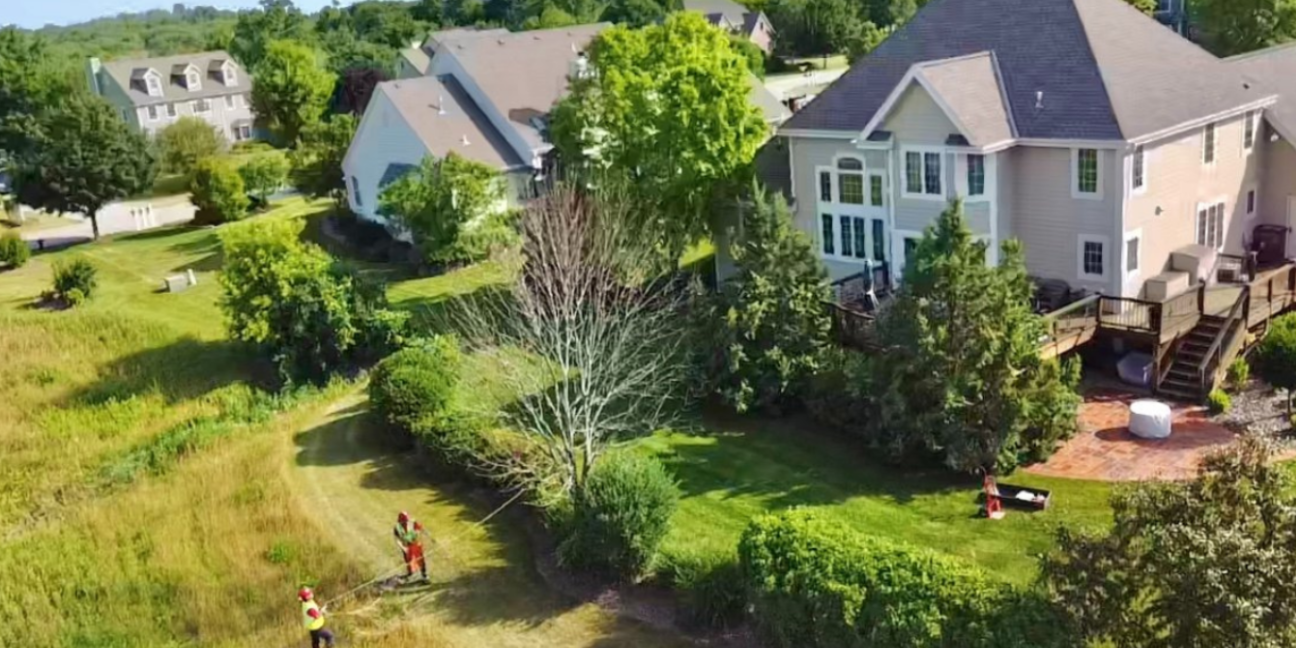
We are International Society of Arboriculture (ISA)-certified arborists and possess the necessary training and credentials to thoroughly assess a tree’s condition, recommend proper care, and assist with any required permits. Crawford’s team is also supported by a full-time Professional Development Director, a Board-Certified Master Arborist, and Tree Risk Assessment Qualified Sales Representatives. Crawford Tree & Landscape offers tree care, trimming & pruning, plant health care, shrub trimming and pruning, landscaping, mowing, cabling & bracing, and arborist consultations to ensure the safety and health of your trees.
Whether it’s identifying weak trees that may be at risk of falling or managing healthy trees with preventive care, Crawford Tree & Landscape ensures that your property remains safe. Our team is ready 24/7 to address urgent issues, and we offer free consultations to evaluate your tree’s health.
If you’re unsure about the health of your trees or need assistance with tree care services, contact Crawford Tree & Landscape today at (414) 710-0093 for a consultation. Let us help you keep your trees healthy, beautiful, and safe for years to come.
Frequently Asked Questions (FAQs)
1. How do I know if my tree is about to fall?
Key indicators include severe leaning, cracks in the trunk, dead branches, fungal growth, and exposed roots. If you notice these signs, it’s essential to consult a certified arborist.
2. Should I remove a leaning tree immediately?
Not always. A small lean might not indicate an immediate risk. However, if the tree leans significantly or shows signs of root damage, you should seek professional advice as soon as possible.
3. Is it safe to prune broken branches myself?
Pruning broken branches can be dangerous, especially if they are large or high up. It’s best to call an arborist to safely remove the branches and assess the tree’s health.
4. Can fungal growth at the base of the tree mean it’s about to fall?
Yes, fungal growth can indicate rot in the roots or trunk, which could lead to the tree falling. It’s important to get a professional assessment if you notice this sign.
5. After a storm, should I be concerned about my trees?
Yes, storm damage can weaken trees, making them more susceptible to falling. Always check for new cracks, broken branches, or exposed roots after a storm and have a professional arborist assess the tree’s health.
6. What should I do if I see exposed roots around my tree?
Exposed or damaged roots can compromise a tree’s stability. You should consult an arborist who can help stabilize the tree and protect its root system.
7. What kind of trees are more likely to fall?
Trees with weak wood, such as ash, birch, and certain species of oak, or trees that have been damaged by disease or pests, are at higher risk of falling.
8. How often should I inspect my trees for potential hazards?
Regular inspections, especially after storms or during seasonal changes, can help spot early warning signs. It’s a good idea to have a professional arborist assess your trees yearly or biannually.
9. Can I prevent my tree from falling with support systems?
Yes, if the tree is otherwise healthy but at risk of falling due to weak structure or lean, cabling and bracing may provide additional support. Consult an arborist to determine the best solution.
Summary Checklist: 7 Signs Your Tree May Be About to Fall
| Condition | Risk Level | Recommended Action |
|---|---|---|
| Leaning Tree | High | Call a professional arborist to assess stability and recommend support or removal. |
| Cracks in the Trunk | High | Schedule an immediate inspection with a certified arborist. |
| Dead or Broken Branches | Moderate to High | Remove dead or broken branches quickly to reduce fall risk. |
| Fungal Growth at the Base | High | Contact an arborist to assess root decay and structural integrity. |
| Excessive Leaning After Storms | High | Check stability immediately after storms. call an arborist if leaning is severe. |
| Exposed or Damaged Roots | High | Consult an arborist to stabilize or repair root damage. |
| Wilting or Dying Leaves | Moderate | Have an arborist evaluate for disease, pests, or stress. |
Final Advice
Trees are an essential part of your landscape, but when they’re not properly maintained or show signs of weakness, they can become a serious hazard. Knowing how to identify the early warning signs that your tree may be about to fall is key to preventing costly damage or injury. If you notice leaning, cracks, broken branches, fungal growth, or damage to the root system, it’s time to take action immediately.
Always prioritize safety by consulting with a certified arborist for a thorough tree assessment. A professional can help determine if your tree needs support, pruning, or removal to keep your property safe. Regular maintenance and tree health checks can significantly reduce the risk of tree-related accidents, ensuring that your home and family remain protected.
If you suspect your tree is at risk, don’t wait. Take proactive steps to prevent damage and keep your landscape safe.



 GreenSky® and GreenSky Patient Solutions® are loan program names for certain consumer credit plans extended by participating lenders to borrowers for the purchase of goods and/or services from participating merchants/providers. Participating lenders are federally insured, federal and state chartered financial institutions providing credit without regart to age, race, color, religion, national origin, gener or familial status. GreenSky® and GreenSky Patient Solutions® are registered trademarks of GreenSky, LLC. GreenSky Serviceing, LLC services the loans on behalf of participating lenders. NMLS 1416362. GreenSky, LLC and GreenSky Servicing, LLC are subsidiaries of Goldman Sachs Bank USA. Loans originated by Goldman Sachs are issued by Goldman Sachs Bank USA, Salt Lake City Branch.