November 27, 2025
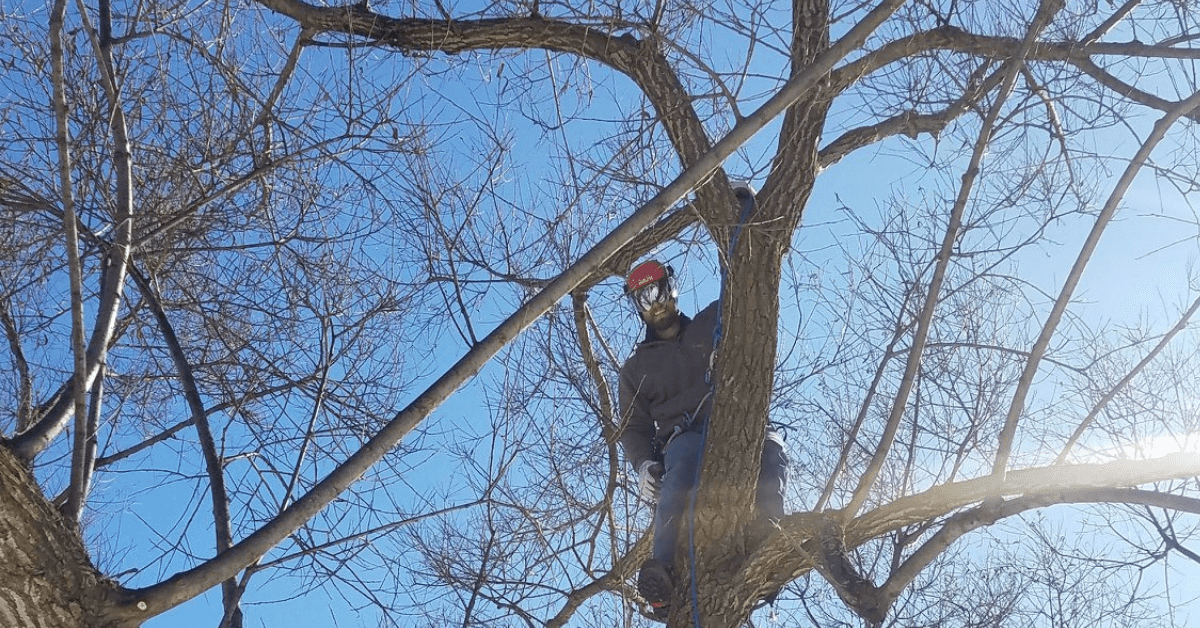
As autumn settles over Waukesha County, the changing colors and crisp air mark the ideal time to prepare your trees for Wisconsin’s tough winter ahead. Heavy snow, ice buildup, and strong winds can stress branches, especially those weakened or overgrown after summer. Professional fall pruning by ISA-Certified Arborists improves tree structure, reduces storm risk, and promotes healthy spring growth.
With over 56 years of experience across Southeastern Wisconsin, Crawford Tree & Landscape delivers precision pruning backed by science, safety, and local expertise to protect your trees year-round.
Why Fall Is the Perfect Time for Tree Pruning
Fall pruning offers unique advantages that other seasons can’t match. As trees begin to enter dormancy, their energy shifts from canopy growth to root development. This period of reduced biological activity allows pruning cuts to heal efficiently, minimizing stress and disease risk.
In Waukesha County, where winters can bring freezing rain and snow accumulation, removing weak or crossing limbs before storms helps prevent limb breakage and costly property damage. Strategic fall pruning also:
- Improves sunlight penetration and airflow
- Shapes the tree structure for better balance
- Removes diseased or deadwood before infection spreads
- Reduces weight on heavy branches before ice forms
How Waukesha County’s Soil and Climate Affect Tree Health
The local environment plays a major role in how trees respond to pruning. Waukesha experiences cold winters, clay-heavy soils, and periodic wind events, conditions that can stress root systems and canopy structure.
Clay soil retains moisture longer, which can lead to root compaction and reduced oxygen flow. By pruning strategically in fall, you reduce canopy weight and improve the tree’s ability to draw nutrients efficiently through the root zone.
Common regional tree varieties:
- Sugar Maple
- Red Oak
- Ash
- Norway Spruce
- Honey Locust
Each of these species benefits from targeted pruning during dormancy to enhance longevity and reduce the risk of winter limb failure.
The Science Behind Proper Fall Pruning
Professional pruning is more than just removing branches; it’s a precise process rooted in plant biology. At Crawford Tree & Landscape, ISA-Certified Arborists follow ANSI A300 standards to ensure cuts are made at the right angle, location, and timing for optimal healing.
Key steps in the process include:
- Inspection – Assessing branch structure, disease presence, and potential hazards.
- Selective Removal – Cutting only where necessary to maintain form and balance.
- Crown Thinning – Improving airflow and reducing wind resistance.
- Crown Reduction – Lowering overall height when needed without compromising health.
This scientific approach ensures each pruning action supports long-term health, stability, and beauty.
Signs Your Trees Need Fall Pruning
Unsure if your trees are ready for pruning before winter? Watch for these signs:
- Dead or broken branches after storms
- Crossing limbs that rub and create wounds
- Dense canopy blocking sunlight and air movement
- Overextended limbs near roofs or power lines
- Early leaf drop or decay in branch tips
These indicators suggest your trees may be vulnerable to breakage once snow and ice accumulate.
How Fall Pruning Prevents Winter Damage
Wisconsin winters can be unpredictable snowfall, ice storms, and temperature swings all testing tree resilience. Fall pruning acts as a preventive measure by eliminating structural weaknesses early.
Benefits include:
- Reduced storm breakage: Removing excess weight prevents limbs from cracking under snow.
- Improved stability: Balanced canopies resist strong winter winds.
- Lower pest risk: Clean pruning wounds before winter to reduce entry points for insects and fungi.
- Safer property: Prevents falling branches near homes, driveways, and power lines.
By addressing these factors before winter, homeowners in Waukesha can avoid costly emergency removals and preserve long-term tree health.
Dormant Season Pruning vs. Summer Trimming
It’s easy to confuse trimming with pruning, but they serve distinct purposes. Trimming focuses on aesthetic cleanup, while pruning is a strategic method for health and structure.
| Aspect | Dormant Season Pruning | Summer Trimming |
| Purpose | Health, structure, safety | Appearance, minor shaping |
| Best Time | Late fall to early spring | Mid-summer |
| Impact | Strengthens roots and prevents disease | Encourages seasonal growth |
| Ideal For | Oaks, maples, ash, locust | Shrubs, fast-growing species |
Crawford Tree & Landscape’s arborists schedule dormant season pruning when the trees are least stressed, ensuring cleaner cuts and faster recovery.
Common Tree Issues Prevented by Fall Pruning
Pruning at the right time helps prevent several common issues seen across Southeastern Wisconsin:
- Limb drop and storm damage from excess canopy weight
- Fungal infections entering through deadwood
- Canker formation due to poor airflow
- Weak branch unions that fail under snow load
When properly managed, your trees not only survive Wisconsin winters they also thrive in spring with renewed vigor.
Local Regulations and Safety Considerations
In Waukesha, pruning on private property typically doesn’t require a permit unless the work involves protected species or trees within municipal easements. However, large or mature tree work should always be performed by trained professionals using proper safety gear and equipment.
Crawford Tree & Landscape uses high-reach trucks, rope systems, and advanced cutting tools to ensure precision and safety during every pruning project.
Integrating Pruning with Plant Health Care (PHC)
Fall pruning pairs perfectly with Plant Health Care (PHC) services to ensure complete seasonal protection. After pruning, ISA-Certified Arborists may recommend:
- Soil aeration to combat clay compaction
- Root-zone fertilization to restore nutrients
- Mulching to insulate roots and retain moisture
- Pest and disease monitoring for early detection of Emerald Ash Borer or Oak Wilt
This integrated approach maintains both immediate safety and long-term tree vitality.
When to Call an ISA-Certified Arborist
DIY pruning can be risky, especially for large or high-canopy trees. Certified professionals are trained to identify structural weaknesses, disease indicators, and safe cutting methods. You should contact Crawford Tree & Landscape if:
- Branches are hanging over your home or driveway
- You notice bark cracks or fungal growths
- Your tree canopy appears uneven or too dense
- You’re unsure which limbs to remove safely
ISA-Certified Arborists bring scientific knowledge and decades of field experience to protect your investment.
Post-Pruning Care: Helping Trees Recover and Thrive
Proper aftercare is just as important as the pruning itself. Once your trees have been trimmed in the fall, supporting their recovery helps ensure a smooth transition into dormancy and strong growth next spring. In Waukesha, where freeze–thaw cycles and clay soils can stress root systems, a few simple steps make a big difference.
Arborist-Recommended Post-Pruning Tips
- Water deeply before the ground freezes. Moist soil protects roots from winter desiccation.
- Apply a light mulch layer (2–3 inches). Helps regulate soil temperature and retain moisture through winter.
- Avoid heavy fertilization. Wait until spring when active growth resumes.
- Inspect regularly. Check pruning cuts after storms to ensure no new cracks or damage form.
By combining professional fall pruning with proper aftercare, homeowners in Waukesha can protect their investment and promote healthy, vibrant trees year after year.
Frequently Asked Questions
How late in the fall can I prune trees in Waukesha?
Pruning is safe until early winter as long as the ground isn’t frozen. Late November through February is ideal for most hardwoods, as trees are fully dormant.
Can pruning help prevent storm damage?
Yes. Removing dead or overextended branches reduces the risk of breakage during snow and ice accumulation, improving safety around your property.
What happens if I skip fall pruning?
Unpruned trees can develop weak limb unions and increased disease vulnerability. Deferred maintenance often leads to higher repair costs or removals after winter storms.
Are all trees safe to prune in the fall?
Most species in Menomonee Falls, including maples, oaks, and ashes, respond well to dormant-season pruning. Some flowering trees are better pruned after blooming. Your arborist can advise based on the species.
How do I get a professional pruning plan?
Crawford Tree & Landscape offers free on-site consultations to evaluate your trees’ condition and recommend a tailored pruning and PHC plan.
Strengthen Your Trees & Landscape Before Winter
Your trees are living assets that deserve professional protection. Fall pruning keeps them strong through Wisconsin’s harshest months and ready to thrive again in spring. With over five decades of expertise, Crawford Tree & Landscape delivers expert care you can trust in Waukesha County and throughout Southeastern Wisconsin. Learn more about our complete tree services in Waukesha County to keep your property safe and healthy year-round.
No money down. No credit check. In-house financing available.



 GreenSky® and GreenSky Patient Solutions® are loan program names for certain consumer credit plans extended by participating lenders to borrowers for the purchase of goods and/or services from participating merchants/providers. Participating lenders are federally insured, federal and state chartered financial institutions providing credit without regart to age, race, color, religion, national origin, gener or familial status. GreenSky® and GreenSky Patient Solutions® are registered trademarks of GreenSky, LLC. GreenSky Serviceing, LLC services the loans on behalf of participating lenders. NMLS 1416362. GreenSky, LLC and GreenSky Servicing, LLC are subsidiaries of Goldman Sachs Bank USA. Loans originated by Goldman Sachs are issued by Goldman Sachs Bank USA, Salt Lake City Branch.