April 29, 2026
Key Takeaways
- Emerald Ash Borer (EAB) is a destructive pest that targets ash trees, causing them to die quickly and leaving behind significant environmental damage.
- Spotted Lanternfly (SLF) affects a wide range of trees, including maples, oaks, and willows, as well as crops like grapevines, posing economic and ecological risks.
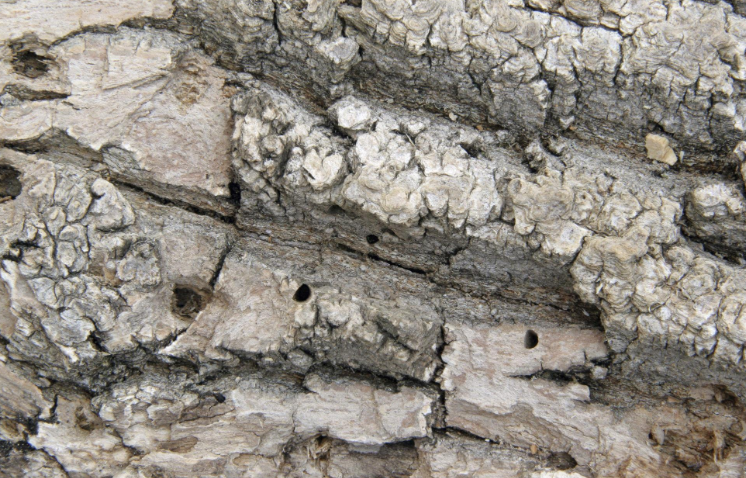
- Early detection of both pests is crucial. Look for D-shaped holes (EAB) and egg masses (SLF) on tree trunks.
- Preventative treatments, including insecticides and horticultural oils, are most effective when applied early, especially for vulnerable tree species.
- Maintaining tree health through pruning, watering, and fertilization can help trees better resist pest damage.
As we look ahead to 2026, Milwaukee faces continuing threats from two invasive pests: the Emerald Ash Borer (EAB) and the Spotted Lanternfly (SLF). These pests are causing widespread damage to local trees and landscapes. The Emerald Ash Borer is responsible for the destruction of ash trees, while the Spotted Lanternfly threatens a wide range of species, including crops. Both of these pests are highly destructive and can cause severe environmental and economic consequences if left unchecked.
Emerald Ash Borer: A Persistent Threat
The Emerald Ash Borer is a highly destructive beetle that attacks ash trees. It’s known for its rapid spread across the United States and has wreaked havoc on ash populations in Milwaukee for over a decade. The insect lays its eggs beneath the bark of ash trees, and the larvae burrow into the wood, disrupting the tree’s ability to transport nutrients and water.
The result? A gradual decline in tree health, often leading to the death of the tree within 2-3 years of infestation.
Impact on Milwaukee’s Trees
Since its discovery in Wisconsin in 2008, the EAB has led to the loss of tens of thousands of ash trees in Milwaukee and surrounding areas. The infestation has primarily affected public parks, urban forests, and private landscapes where ash trees are common.
Though much of the city has been proactive in addressing this issue, the 2026 EAB update suggests that, while progress has been made, there are still numerous unprotected or untreated trees at risk of infestation.
What Homeowners Can Do
To manage or prevent the spread of EAB, homeowners should:
- Inspect Ash Trees Regularly: Look for D-shaped exit holes, bark splitting, and sawdust-like material at the tree’s base.
- Treat Early: Insecticide treatments like trunk injections and soil drenches are effective at preventing infestation, but they need to be applied early.
- Tree Removal: For severely infected trees, professional removal may be necessary.
Spotted Lanternfly: A Growing Concern
The Spotted Lanternfly is an invasive pest native to Asia. Since it arrived in the United States, it has rapidly spread across multiple states. It feeds on the sap of a variety of trees and plants, weakening them and making them more susceptible to disease. Although it’s not fatal to trees in the same way as the EAB, the SLF damages plants and crops significantly by draining their nutrients.
In 2026, the Spotted Lanternfly made its way to Wisconsin, with sightings in neighboring counties. As a result, Milwaukee residents must stay alert.
Impact of SLF in Milwaukee
The Spotted Lanternfly is especially problematic for vines, fruit trees, maples, and oaks. The pest’s feeding behavior stresses trees, leaving them vulnerable to other threats. Furthermore, the SLF also poses a risk to Milwaukee’s local economy, especially to agricultural areas such as orchards and vineyards.
What Homeowners Can Do
Here are some ways to prevent or manage SLF infestation:
- Check for Egg Masses: SLF egg masses resemble patches of mud or putty. Scrape and destroy them immediately.
- Use Sticky Traps: Setting up sticky bands around tree trunks can help capture adult Lanternflies as they climb.
- Professional Help: If an infestation is detected, professional treatment options are necessary to eradicate the problem.
Preventing Pest Damage to Your Milwaukee Landscape
The Emerald Ash Borer and Spotted Lanternfly are two invasive species that threaten the health of Milwaukee’s trees and plants. Here are some strategies to safeguard your landscape:
1. Regular Tree Health Inspections
Having a professional arborist inspect your trees regularly can help catch pests early. Tree health assessments are crucial for identifying early signs of infestation, disease, or stress.
2. Pest Management Programs
Invest in pest control treatments and regular monitoring to ensure your trees stay healthy. Programs like Emerald Ash Borer protection and horticultural oil treatments can help prevent infestations from taking hold.
3. Healthy Landscaping Practices
Maintain the overall health of your trees and shrubs by pruning regularly, properly watering, and mulching. A healthy tree is more resilient against pest damage.
4. Immediate Action Upon Detection
If you spot any signs of EAB or SLF, take immediate action by contacting a certified arborist to assess the damage and recommend treatment options. When it comes to protecting your landscape from invasive pests like the Emerald Ash Borer and Spotted Lanternfly, you need an experienced, reliable partner.
If you’re dealing with Emerald Ash Borer (EAB) or Spotted Lanternfly (SLF) infestations in Milwaukee, Crawford Tree & Landscape is here to help. With over 50 years of experience, Crawford offers expert tree care, trimming & pruning, plant health care, shrub trimming and pruning, landscaping, mowing, cabling & bracing, and arborist consultations.
We ensure your trees remain healthy and safe from invasive pests. Our certified arborists provide comprehensive plant health care and pest management services, including treatments for EAB protection and SLF control. Connect with us at (414) 710-0093 for a free consultation and professional pest management services tailored to your needs.
Frequently Asked Questions (FAQs)
1. How can I tell if my ash tree is infected with the Emerald Ash Borer?
Look for D-shaped exit holes, sawdust around the base of the tree, and bark splitting. These are signs that the EAB may be present.
2. What are the signs of a Spotted Lanternfly infestation?
The most noticeable signs are egg masses (mud-like patches), and the presence of black spots on the adult flies. The pests are often found on tree trunks or outdoor furniture.
3. Can I treat my ash trees for Emerald Ash Borer myself?
While some treatments, like insecticides, can be done at home, it’s recommended to consult a professional arborist for the most effective treatment, especially if the tree is at risk of dying.
4. What trees does the Spotted Lanternfly attack?
The Spotted Lanternfly feeds on a variety of trees, including maples, oaks, willows, and tree-of-heaven. It also targets grapevines and other agricultural plants.
5. How can I remove Spotted Lanternfly egg masses?
You can scrape egg masses off with a plastic card or putty knife and destroy them by placing them in a sealed plastic bag or by burning them.
6. How do I protect my trees from the Spotted Lanternfly?
Set up sticky traps on tree trunks, regularly check for egg masses, and contact a professional if an infestation is detected.
7. Is the Spotted Lanternfly harmful to humans or pets?
No, the Spotted Lanternfly is not dangerous to humans or pets, but it can cause significant damage to plants and trees, which can affect the local ecosystem.
8. Why is the Emerald Ash Borer so dangerous?
The Emerald Ash Borer destroys ash trees by burrowing into the bark, which disrupts the flow of nutrients and eventually kills the tree.
9. Can Crawford Tree & Landscape help with pest management?
Yes, Crawford Tree & Landscape provides professional pest control services for both Emerald Ash Borer and Spotted Lanternfly to help protect your trees.
Summary Checklist: Key Management Actions for EAB and SLF
| Condition | Action to Take |
| Emerald Ash Borer (EAB) Infestation | Apply systemic insecticides, monitor tree health regularly, and consult with an arborist. |
| Spotted Lanternfly (SLF) Presence | Scrape off egg masses, use sticky traps, and inspect for signs of honeydew or leaf damage. |
| Healthy Trees | Maintain with regular pruning, proper fertilization, and preventive pest treatments. |
| Significant Tree Decline | Contact a certified arborist for assessment and early treatment before the condition worsens. |
Final Advice
When dealing with the Emerald Ash Borer and Spotted Lanternfly, early intervention is key. These pests can cause significant damage to both trees and local ecosystems, so it’s important to be proactive in your pest management efforts. By regularly inspecting trees, using preventative treatments, and collaborating with professionals, homeowners can mitigate the damage these pests cause.
Maintaining healthy trees through proper care and monitoring, including the use of insecticides, sticky traps, and pruning, will help ensure that your trees are less vulnerable to these invasive pests. Additionally, understanding the local regulations around pest management, especially in Milwaukee, can help homeowners avoid fines or violations while protecting their landscape. As we move into 2026, continuing to educate ourselves about these pests and staying vigilant can make a significant difference in preserving the health of our local trees. Be sure to stay connected with your community and professional arborists to remain ahead of any potential pest threats.
Reviewed by a Certified Arborist
This article has been reviewed by a certified arborist to ensure all information regarding tree care and storm safety is accurate and up to industry standards.



 GreenSky® and GreenSky Patient Solutions® are loan program names for certain consumer credit plans extended by participating lenders to borrowers for the purchase of goods and/or services from participating merchants/providers. Participating lenders are federally insured, federal and state chartered financial institutions providing credit without regart to age, race, color, religion, national origin, gener or familial status. GreenSky® and GreenSky Patient Solutions® are registered trademarks of GreenSky, LLC. GreenSky Serviceing, LLC services the loans on behalf of participating lenders. NMLS 1416362. GreenSky, LLC and GreenSky Servicing, LLC are subsidiaries of Goldman Sachs Bank USA. Loans originated by Goldman Sachs are issued by Goldman Sachs Bank USA, Salt Lake City Branch.